A Place of Faith, Community, and Heritage
The Barbadoes Street/Ferry Road site holds a unique and important place in the history of Christchurch, Canterbury and the Catholic Church in Aotearoa New Zealand.
Long before the Cathedral was built, the area was part of a significant Māori travel and settlement network connected to the waterways, wetlands and mahinga kai resources of Christchurch. The nearby Barbadoes Street bridge was the site of Te Pā o Tautahi, linked to the Ngāi Tahu chief Tautahi, from whom Christchurch takes its Māori name, Ōtautahi.
The site remains significant to many Māori Catholics as the place where Aperahama Te Aika, Tīpuna Poua and a founding figure of the Catholic Church for Māori in Te Waipounamu, was Confirmed.
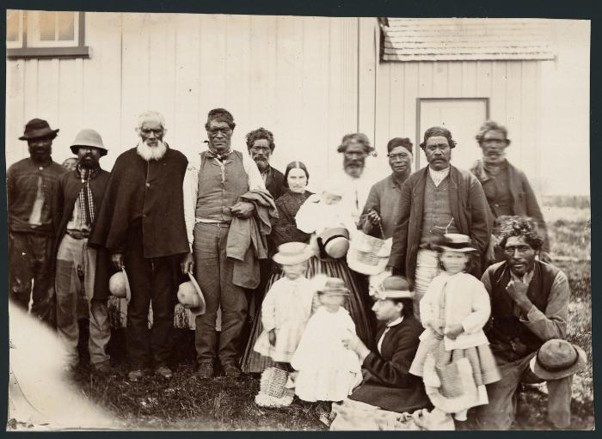
Following organised European settlement in the 1850s, Irish Catholics became a significant part of Christchurch’s growing working-class population. In 1857, the Provincial Government granted the Catholic Church land at the corner of Barbadoes Street and Ferry Road so the recently arrived Marist missionary priests could minister to the Catholic community. The land was low-lying, swampy, and flood-prone, but through the determination and sacrifice of the Catholic people, a small chapel and presbytery were opened there in 1860.
In 1864, a larger Gothic wooden Church of the Blessed Sacrament, designed by Benjamin Mountfort, replaced the original chapel and became the centre of Catholic life in Christchurch.
The site also became the birthplace of Catholic education in the city. In 1865, Edward O’Connor opened Christchurch’s first Catholic school. Later that year the school moved to Barbadoes Street beside the church, reopening with 86 pupils. In 1868, the Sisters of Our Lady of the Missions established Sacred Heart School for girls, followed by Sacred Heart College in 1880, the city’s first Catholic girls’ secondary school.
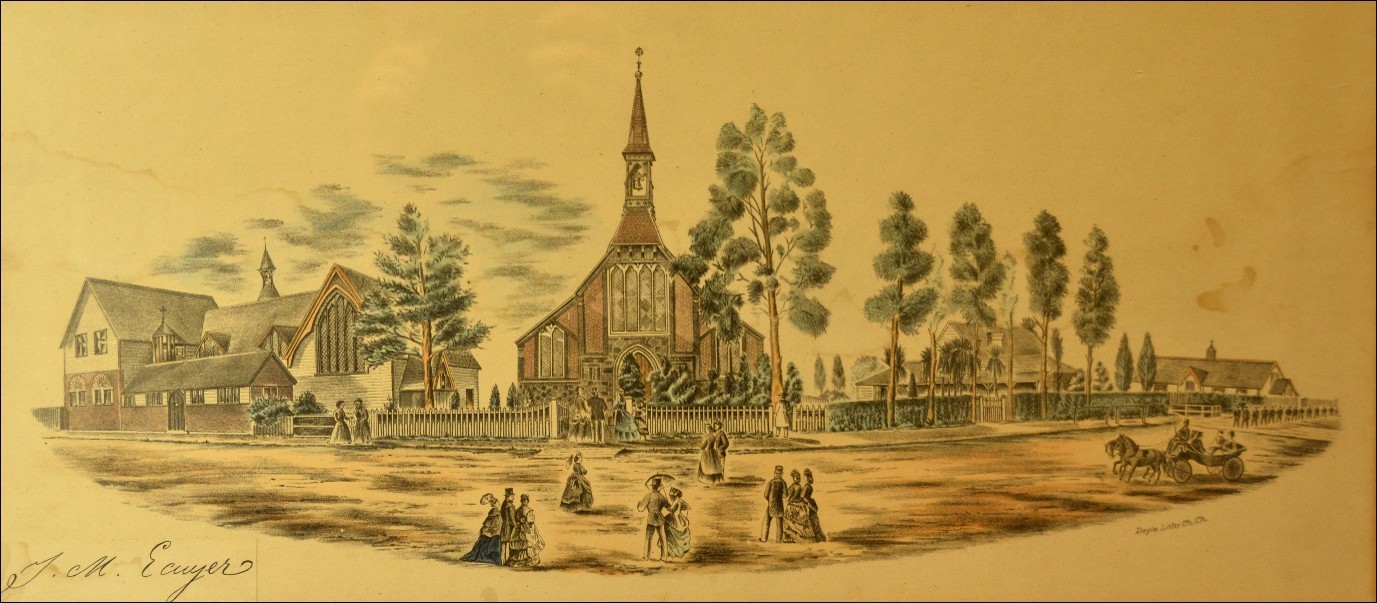
Meanwhile, O’Connor’s school, later known as St Patrick’s School, continued until the arrival of the Marist Brothers in 1888, when it became known as the Marist School. Generations of Catholic boys were educated there before Xavier College was established in 1945 as a secondary school at the request of Bishop Lyons.
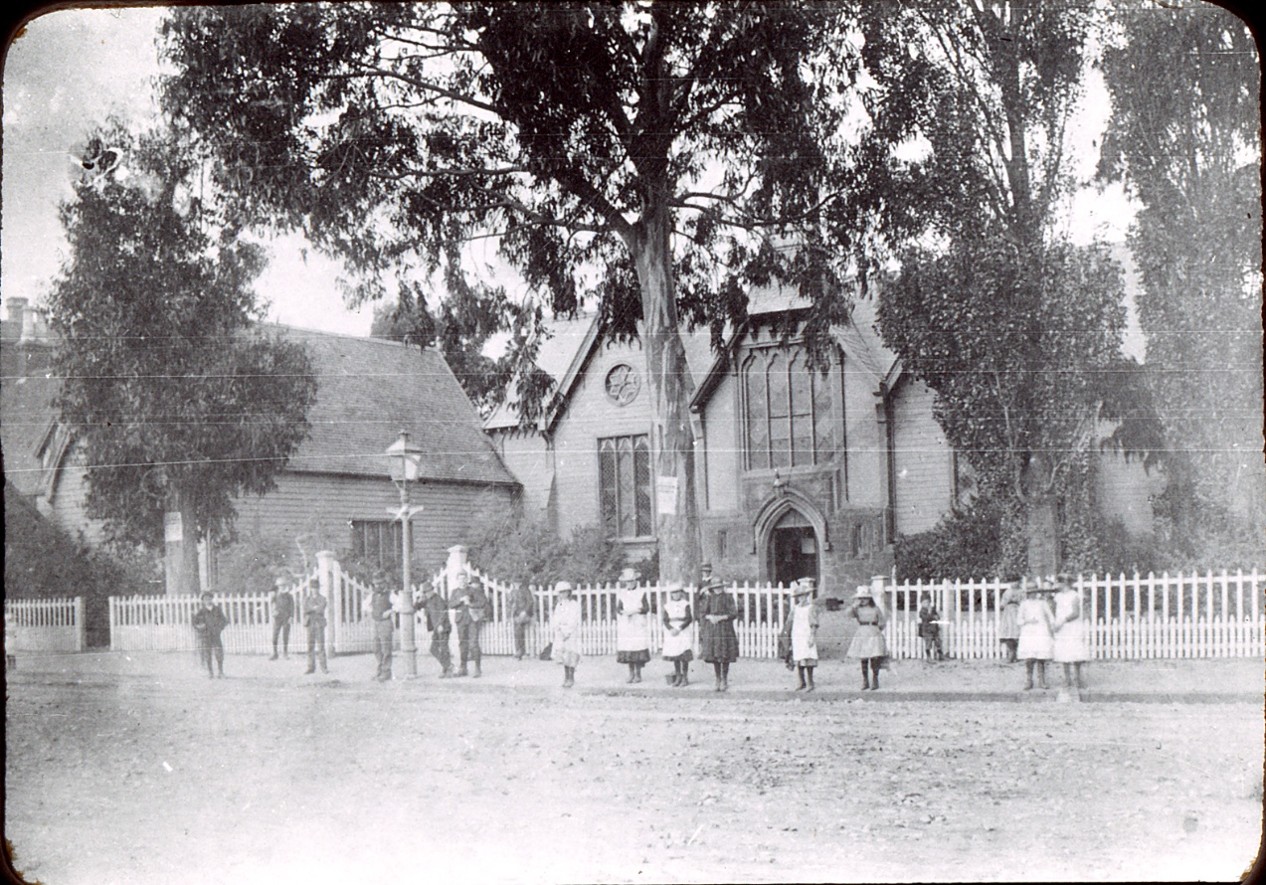
In 1887, Bishop John Joseph Grimes SM became the first Bishop of Christchurch and named the Church of the Blessed Sacrament the Pro-Cathedral, already planning for a great cathedral to serve the new Diocese. Funding the project was difficult, as the Catholic community was largely made up of working families and migrants, but people gave generously over many years.
The original Pro-Cathedral was famously moved on wooden tracks with three traction engines in 1900 to make way for the new Cathedral of the Blessed Sacrament — believed at the time to be the largest building ever moved in New Zealand.
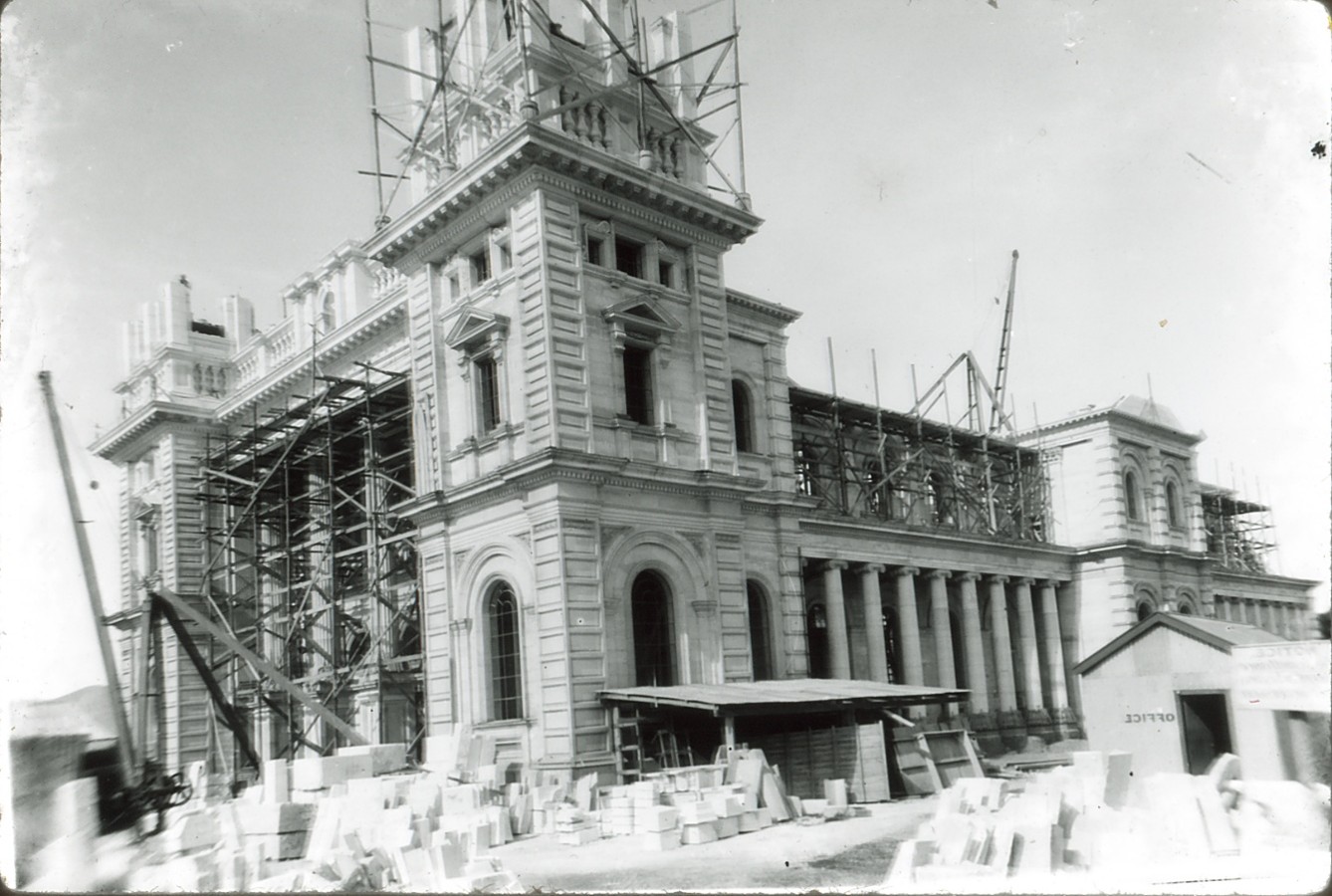
Designed by Francis Petre, the Cathedral officially opened on 12 February 1905 and quickly became one of New Zealand’s finest churches, often affectionately known simply as “the Basilica.”
At its opening, Bishop Grimes famously said:
“No one can claim that our stately cathedral is the work of the wealthy. It is the fruit of the hard earnings of the poor and the lowly, generous to a sacrifice of their well-won pounds, their shillings, and their pence.”
Throughout the twentieth century, the Cathedral became the spiritual centre of Catholic life in Christchurch and the South Island. It hosted major religious and civic events, welcomed generations of worshippers and students, and remained closely connected to the many communities who called the site home.
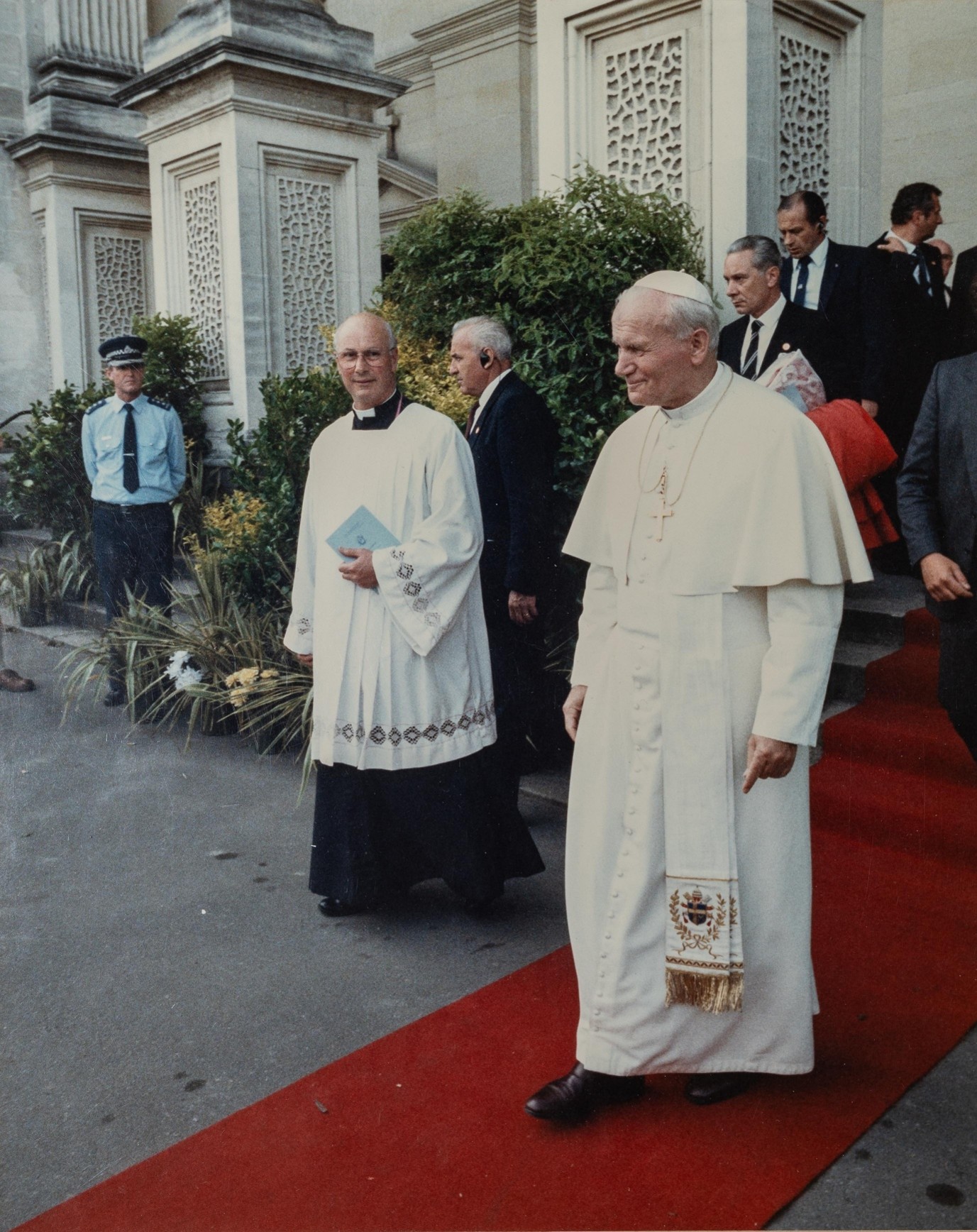
In 1986, Pope John Paul II visited Christchurch and hosted a prayer service in the Cathedral with leaders of other Christian churches, as well as celebrating a large outdoor Mass at Lancaster Park. It remains the only papal visit to New Zealand.
The site also became important to Christchurch’s Pacific Catholic communities. A Samoan Catholic community was established there in 1963 and continues to worship from the site today.
During the 1970s, major efforts were undertaken to renovate and clean major parts of the Cathedral, especially removing layers of grime that had built up over the years, covering the white limestone façade. Various renovations inside the Cathedral reflected the changing liturgical changes in the Church following the Second Vatican Council.
In 1987, Sacred Heart College and Xavier College amalgamated to form Catholic Cathedral College, continuing more than a century of Catholic education on the site.
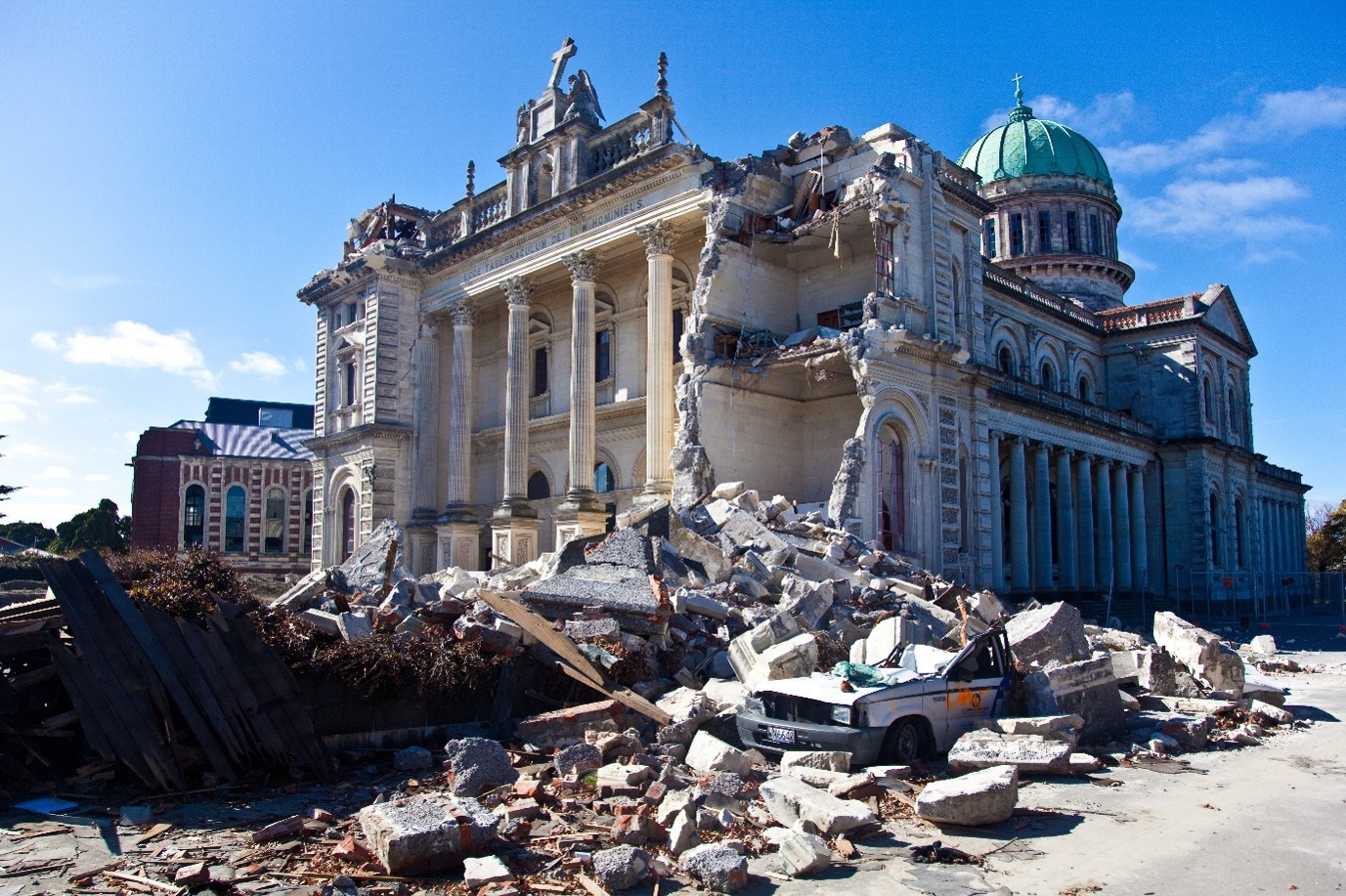
The Cathedral suffered catastrophic damage in the Canterbury earthquakes of 2010 and 2011. Following years of discussion, the building was fully deconstructed, with demolition completed in 2021.
In April 2024, following three months of consultation with the people of the Diocese, Bishop Michael Gielen announced that the new Cathedral will be built on the historic Barbadoes St site. Later that year, he confirmed that the name Cathedral of the Blessed Sacrament would remain.
Support The Cathedral Campaign
If you would like to help bring this shared vision to life, you can make a secure online donation or set up a regular gift by clicking the button below.